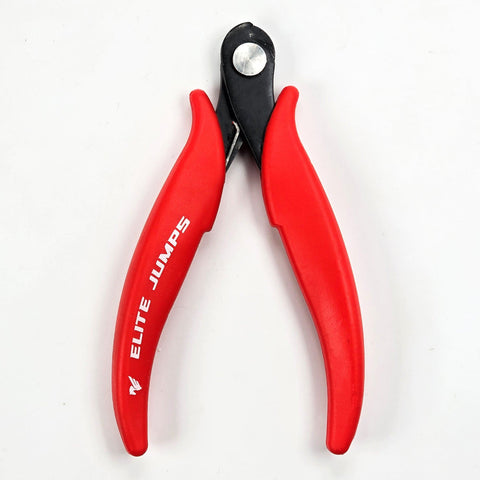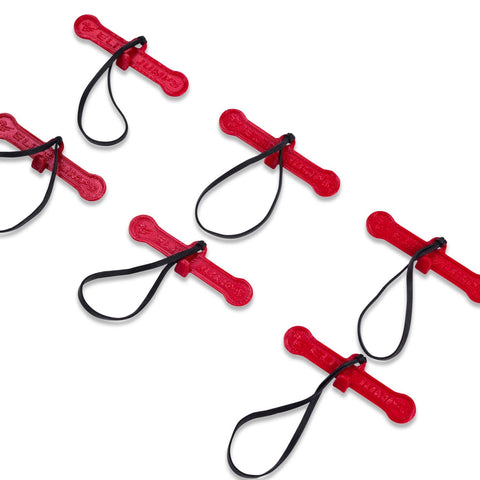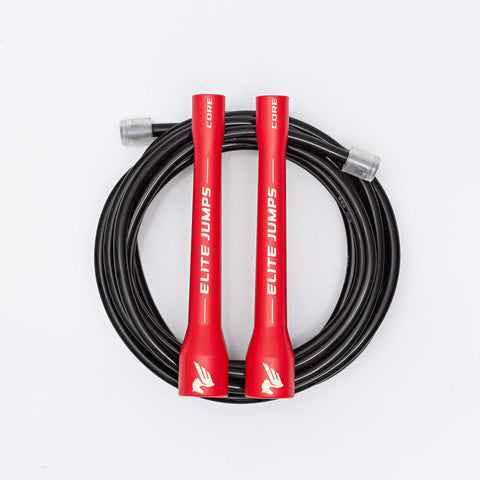
It's a common problem: kinks or memory coils in your PVC jump rope cord. Have kinks? No problem! This may sound extreme, but trust us: boil your rope.
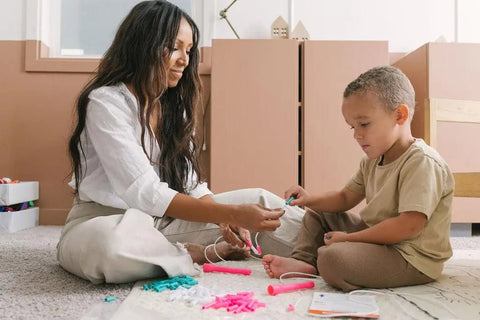
Looking for something fun to do with your kids? Want an activity for your students that encourages a healthy lifestyle? Try making your own DIY jump rope, a fun project that can be accomplished in just a few minutes.
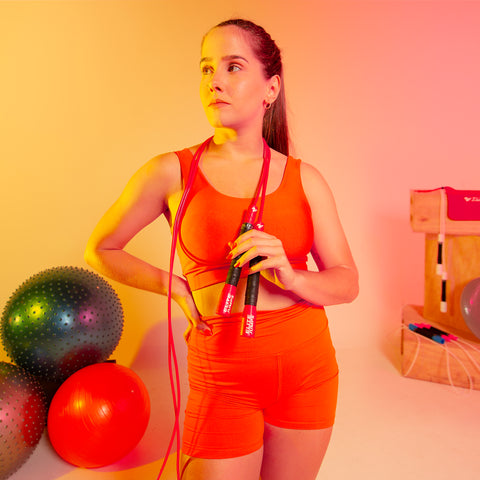
In this article, we will show you how to size your rope properly, debunk some common (incomplete) sizing methods, provide basic tips on form, and recommend rope lengths based on the type of jumping you’ll be doing.
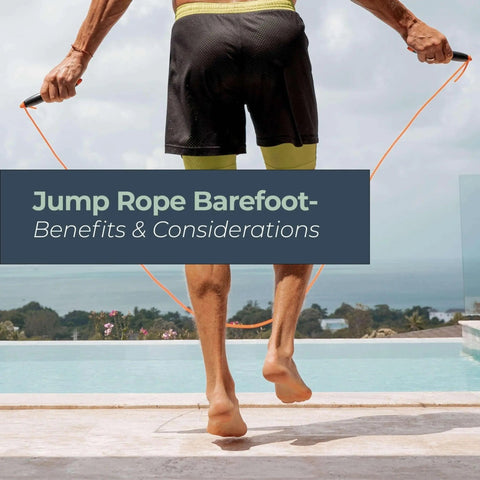
You have over 100 different muscles, tendons, and ligaments in your feet. That's a lot of amount of muscle fiber in and around your foot. When you wear shoes, all this muscle fiber around your arches and foot structure is bound and rearranged according to the fit of the shoe. This "binding" is exacerbated when you exercise, which leads to numerous health related injuries and ailments.
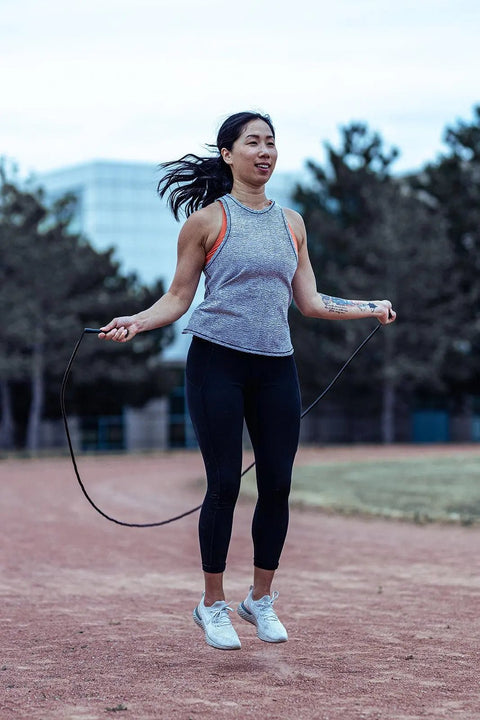
Looking to amp up your cardio workouts? Uncover the advantages of jump rope cardio compared to other forms of cardio. This comprehensive guide offers insights into the best cardio exercises for weight loss and tips to boost your cardiovascular fitness. Start your journey to a fitter you today!

We've put a collection of our favorite new and traditional jump songs, rhymes and chants that help keep the cadence while skipping rope. Enjoy these double dutch jump rope songs with your friends and fellow jumpers!

Selecting the right music can have a huge impact on the outcome of your jump rope routine. A song with a higher BPM (125+) is usually best for practicing things that require a higher level of exertion, like double unders or speed jumping.
Jump Rope for Heart was a fundraising and event program that for years was an annual events for elementary and middle schools around the world, with thousands of schools and millions of kids participating.
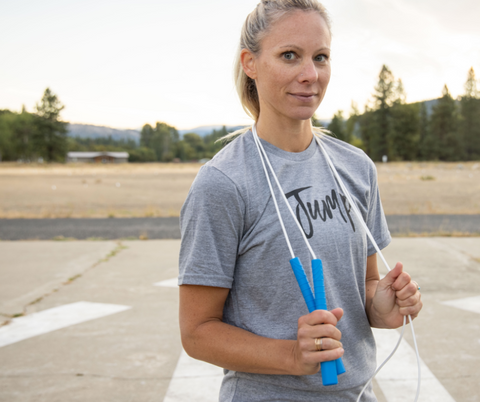
The right jumping form for double unders is not terribly different from a basic bounce or single under. However, we see people struggle with double unders because they overcompensate for poor jump rope control by trying to jump higher. This leads to a few common mistakes in jump form and landing we will address in this article.
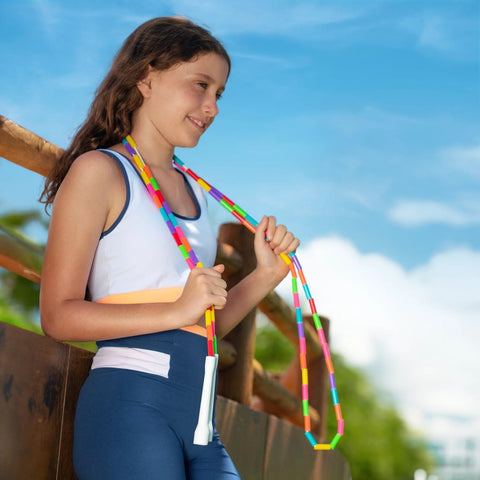
Looking for a few jump rope games to try with your PE class, jump rope team, or after-school group? Here are a few games I've found that worked well both during my time as a PE teacher and as a jump rope coach.